Henry Ford changed the world some 100 years ago. Milford’s Powerhouse is here today to help tell that story.
Henry Ford changed the world, not because he built cars, but because he invented and refined a system the world had never seen before, the assembly line. This invention brought about an industrial revolution that impacted the world. Not only did it dramatically change the way things were manufactured, it changed social structures, economic systems, transportation. It changed the world . . . and it happened right here in our own backyard. We all live so close to the origins of this important development that we take it for granted. The Rouge Plant, where visitors come from all over the world to see how it all started, was just a place to go to work for thousands of people, our neighbors, our grandfathers, our aunts.
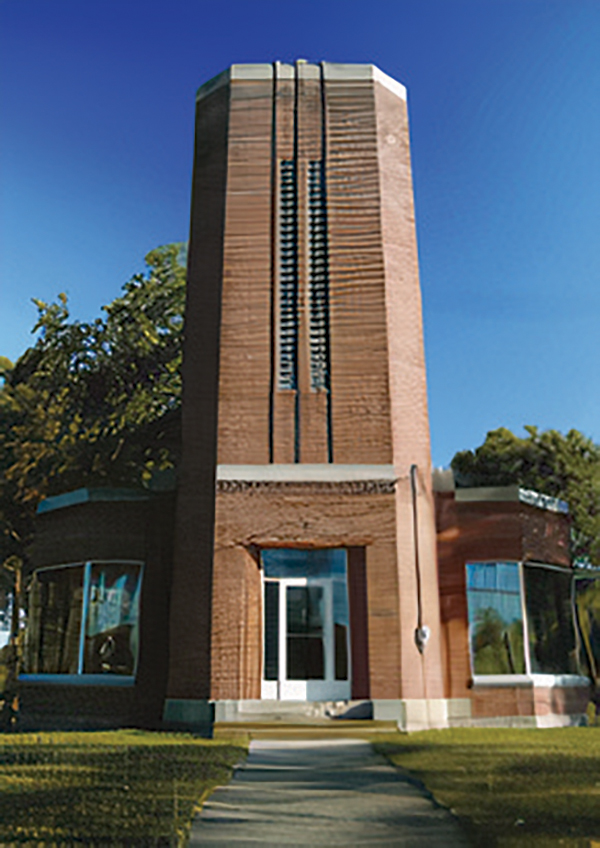
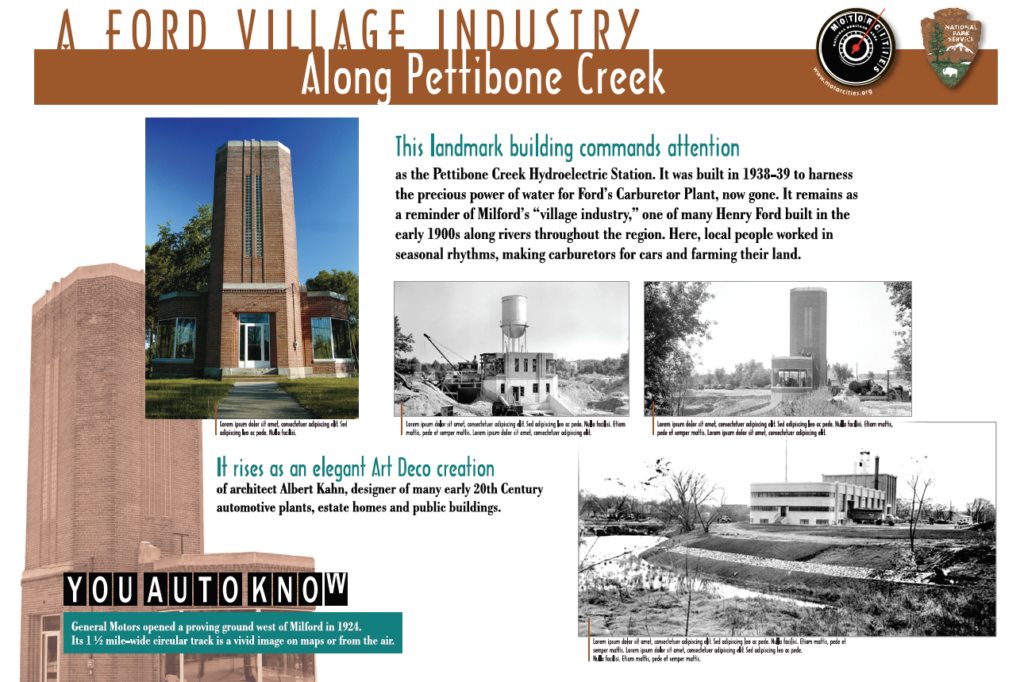
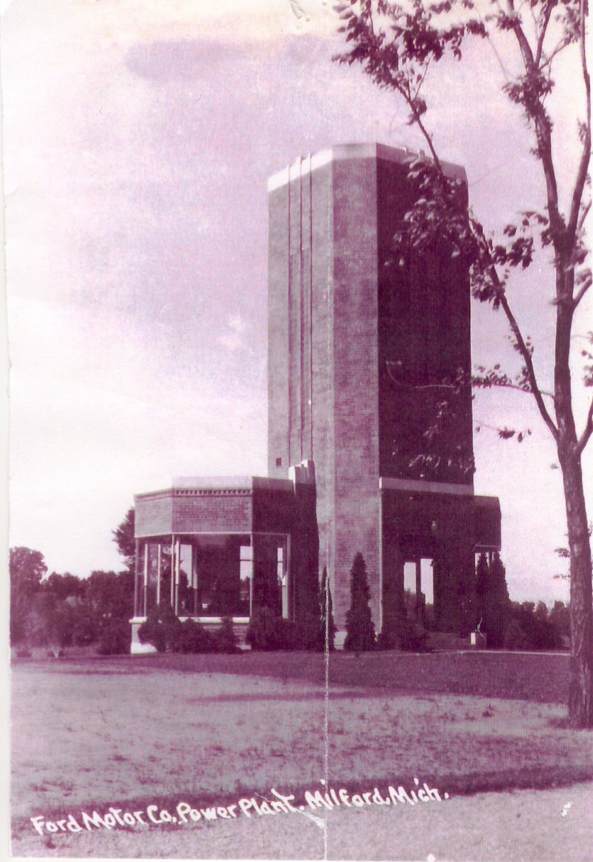
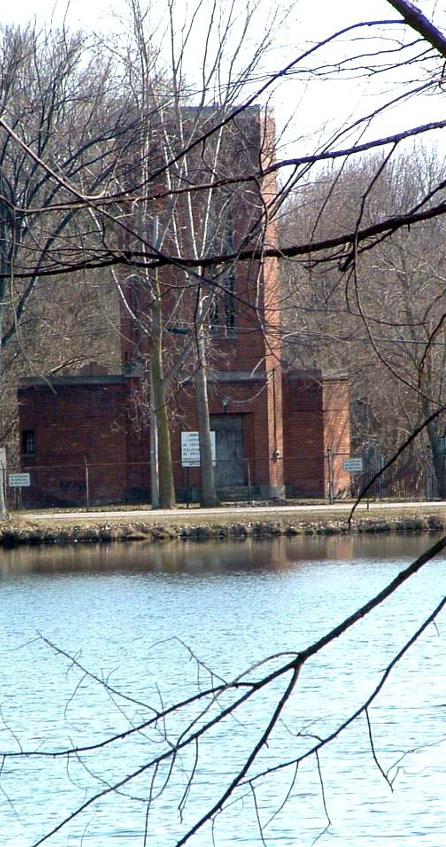
As Henry Ford was changing the world, he found his way to Milford. Our Powerhouse is evidence of his work in our own backyard . It stands to remind us of a vision that not many people know anything about, Ford's “Village Industries.” The Pettibone Creek Hydroelectric Station in Milford's Central Park is part of a much bigger story about the origins of the world's automotive center and its impact.
The Milford story has many chapters:
Ford’s vision of coupling “field and factory;” locating small industrial complexes on waterpowers developed by earlier settlers; using water powers to create electricity for the factories; Ford's industrial architect, Albert Kahn; our reawakening interest in renewable energy; the importance of preservation.
Milford's Powerhouse is the visible icon that reminds us there is a story to tell. Welcome to a journey back in time that carries us into the future. |